
Preparing three meals a day on a tight budget with picky children requires concrete solutions. Several recent tasty tips adapt very well to daily constraints, provided they are approached from a practical angle. Here’s how to take advantage of culinary trends in 2026 without blowing the grocery budget or spending two hours in the kitchen.
Gourmet trends and family budget: what really works in daily life
For a single-parent family, the criteria for selecting a recipe can be summed up in three words: quick, affordable, accepted by the children. Filtering trends through this lens allows for the elimination of spectacular but impractical dishes.
You can explore trends without breaking the bank thanks to platforms like chez-sweety.net, which offer accessible and suitable gourmet ideas for different types of cooks.
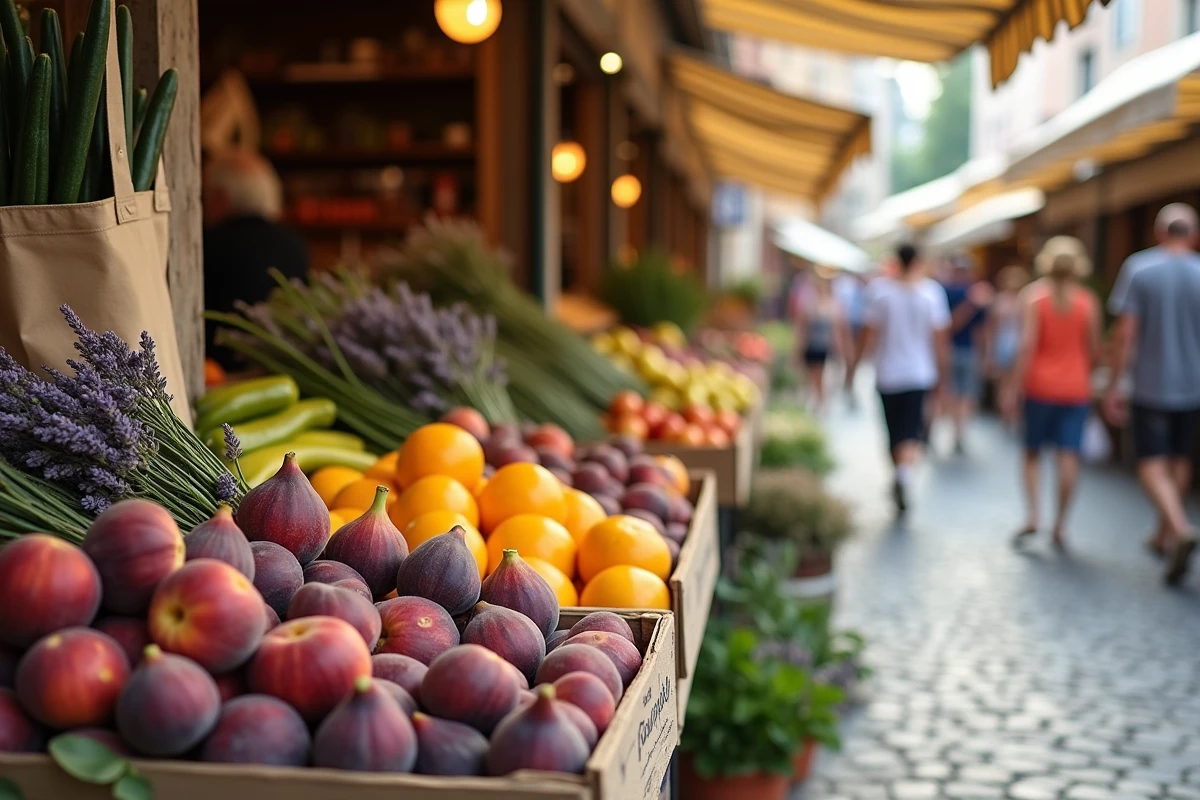
Seasonal dishes remain the most solid foundation. In spring, vegetables like peas, zucchini, or fava beans are significantly cheaper at the market than in supermarkets. Cooking seasonally significantly reduces the grocery budget and provides access to tastier products, making kitchen work easier.

Zero waste cooking: complete meals with leftovers and peels
Zero waste menus are gaining traction among amateur cooks. This approach involves making use of peels, tops, and leftovers to create new dishes instead of throwing them away.
Carrot tops can be turned into pesto, potato peels become baked chips, and leftover rice can be recycled into patties for the next day’s meal. For a household that watches every euro spent, this habit changes the game.
Three zero waste habits to adopt in the kitchen
- Keep vegetable tops (radishes, carrots, beets) in the refrigerator to blend into soups or green sauces the day after.
- Transform meal leftovers into fillings for quick wraps or patties: a bit of cooked vegetables, some grated cheese, and a quick dough are enough.
- Use stale bread crusts to thicken a soup or prepare sweet French toast, a snack that kids love without extra costs.
Feedback on this point varies: some families find these habits easy to integrate, while others take several weeks to adjust their routines. The most effective approach is to start with a single action (like saving the tops, for example) and gradually expand.
Air fryer and smart equipment: healthy frying without excessive oil
These devices allow for crispy frying with very little fat, a plus for guilt-free enjoyable meals. Multifunction models also reduce cooking errors thanks to preset programs.
For a parent cooking alone with children, the air fryer solves a concrete problem: you start cooking, attend to homework or bath time, and the dish is ready without constant supervision. Homemade chicken nuggets, vegetable fries, zucchini fritters—all can go in the appliance.
The initial investment may be a deterrent. But an entry-level model is sufficient for most family recipes. You don’t need the latest connected model to properly cook breaded vegetables.
Quick air fryer recipes for weeknight dinners
On evenings when time is short, we focus on dishes that require less than twenty minutes of active preparation. A homemade breaded fish fillet (flour, egg, breadcrumbs) cooks in about fifteen minutes in the air fryer. Served with peas or a green salad, it’s a complete, healthy meal that kids enjoy.
Stuffed wraps also work well: fill them with leftover chicken, raw vegetables, and a bit of sauce, then pop them in the appliance for a few minutes to achieve a crispy texture. This type of meal is inexpensive and avoids monotony.
Plant-based alternatives and accessible vegan recipes for families
Plant-based alternatives to gourmet cheeses are gaining ground, particularly thanks to cashew-based textures that resemble dairy versions. But in a family context, the question arises differently.
Children often resist change. Introducing one vegan dish per week works better than a sudden switch. A well-spiced red lentil dhal, a chickpea curry with rice, or pasta with tomato sauce enriched with blended vegetables are generally well-received by most young palates.
- The red lentil dhal costs just a few cents per serving and cooks in about twenty minutes, with no special equipment needed.
- Canned chickpeas allow for homemade hummus or a quick curry at a minimal cost.
- Grilled seasonal vegetables (zucchini, peppers in spring) replace meat in wraps or bowls without the kids noticing the absence of animal protein.
The goal isn’t to become vegan, but to diversify protein sources to lighten the bill. Legumes cost a fraction of the price of meat and have a long shelf life.

Prohibition of artificial additives: what it changes in the pantry
Since early 2026, French regulations have mandated a gradual ban on artificial additives in gourmet processed products. Brands are reformulating their recipes towards 100% natural ingredients.
For families, this means that cookies, prepared meals, and snacks sold in supermarkets are evolving. We see shorter and more readable ingredient lists. This doesn’t make these products cheaper, but it simplifies the choice in the aisle for a busy parent who wants to limit additives without deciphering each label for ten minutes.
The most useful reflex remains to favor products with fewer than five ingredients listed on the packaging. It’s a simple, quick filter that aligns with a quick store visit between school pick-up and dinner.