A custom carpentry quote never guarantees the reliability of the final result, even when the materials are compliant and the budget is respected. Managing technical unforeseen events, often underestimated, proves to be a decisive factor in the success of a project.
Each step of the process involves structuring choices, the scope of which extends far beyond the simple selection of wood species or finishes. The coordination between design, planning, and execution determines the quality and durability of the work.
Understanding the stakes of a custom carpentry project at home
Custom carpentry is not a matter of improvisation or automatism. This type of project involves a whole process where each decision shapes the space, responds to the constraints of the location, and reflects your lifestyle choices. Behind every carpentry project lies much more than a simple technical gesture. Several key decisions come into play:
- Considering the integration of carpentry into the existing structure
- Planning for appropriate insulation
- Playing with natural light
- Preserving the balance of volumes
For your carpentry project to succeed, it all starts with a clear definition of your goals. Renovation? You will often have to deal with uneven walls, adapt old works, and blend the charm of yesterday with the modernity of today. New house? Every detail fits into a blank canvas, where personalization finds its place.
Each room has its requirements: imagine a custom library in the living room, a sliding door to free up space, or windows designed to maximize light. Only an experienced professional will know how to translate your desires into concrete solutions, taking into account all technical constraints, compliance with standards, material choices, and the precision of installation.
For those seeking solid expertise, Direct Home offers tailored support, adapted to the uniqueness of each project. Surrounding yourself with competent professionals limits errors, optimizes durability, and ensures a harmonious integration of each element. Custom carpentry is the meeting of precise know-how, clear needs, and a demand for quality that stands the test of time.
What choices to make to properly prepare your project: needs, budget, and materials
To bring a custom carpentry project to life, it all starts with a precise understanding of your needs. Each space, each use, each constraint must be identified. A dressing room in an attic bedroom will not call for the same solutions as a wall library or large bay windows in a bright living room. For each area, ask yourself what matters: practicality, aesthetics, easy maintenance? Personalization does not stop at style: it also encompasses ease of use, light management, and everyday simplicity.
Before going further, set a realistic budget. Plan a coherent envelope, and anticipate unforeseen events that may arise during installation or due to the nature of the materials. Distinguish the price of solid wood from medium-density fiberboard or composite panels. For windows and exterior carpentry, compare insulation, longevity, and ecological impact. Don’t forget to include the completion time in your criteria: the more complex the project, the more time it may require, especially depending on the volumes or finishes desired.
Here are the most common solutions to consider when choosing your materials:
- Solid wood: brings warmth, nobility, and durability over time. Ideal for transforming an interior and adding character.
- Wood derivatives: flexible, economical, and perfect for fitting atypical shapes or optimizing space.
- Mixed materials: combine thermal performance, simplified maintenance, and contemporary appeal.
For each phase, carefully analyze your options, from material selection to project planning. Stay in dialogue with the professional to best align your desires with the realities on the ground, from budget to technical constraints. This shared journey ensures custom carpentry that meets your expectations and stands the test of time.

From design to delivery: the concrete progression of a successful carpentry project
A custom carpentry project is not limited to a few saw cuts or scribbled plans. Several stages structure the progression: it all starts with the design phase. The first ideas take shape around your needs, then a detailed plan emerges, integrating both technical constraints, aesthetic preferences, and daily uses. This stage conditions the balance of the project, the choice of materials, and the coherence of the whole.
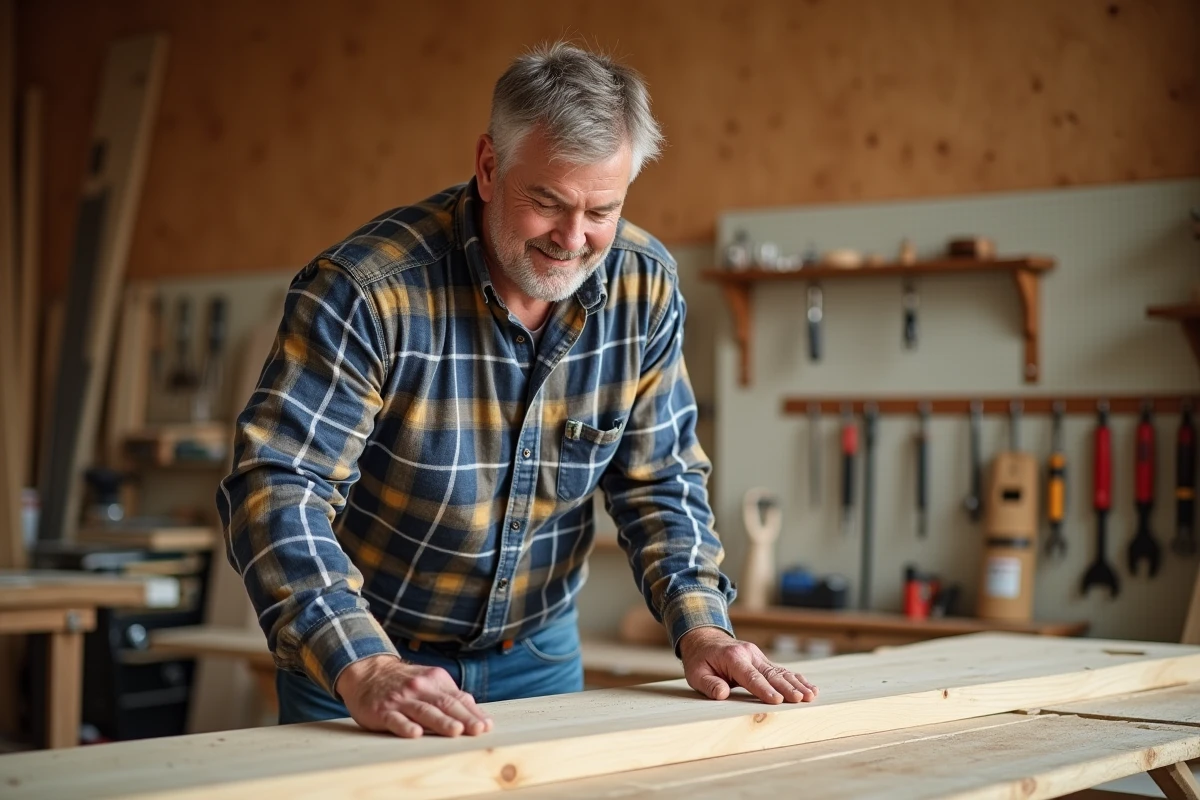
Next, the workshop comes into play. Here, manufacturing begins: each piece of wood or composite is carefully selected, then precisely cut, assembled, adjusted, and refined. The cutting list guides the operations, while the saw works on each element. The craftsman’s know-how shines through in the attention to detail and in their ability to anticipate the specifics of a home project. The duration of the project varies according to demand: a simple wall closet will be quicker to realize than a facade carpentry, but each piece imposes its own rhythm.
To clarify the process, here are the main phases that every successful project goes through:
- Creative phase: sketches, detailed plans, material selection.
- Manufacturing: cutting, assembly, and finishing in the workshop.
- Installation and finishing: on-site installation, adjustments, and cleanup of the site.
The project reaches its conclusion during installation. Each piece takes its place, adjusts to the space, and reveals the quality of the finishes. Alignment, precision, and attention to detail make all the difference. From the first sketch to the final delivery, it is a whole chain of demand and rigor that shapes custom carpentry capable of transforming your interior. When a work integrates to the millimeter, one no longer sees just a piece of furniture or a window, but a living space designed to last.