The awakening of the child refers to the set of sensory, motor, cognitive, and emotional acquisitions that are built daily, starting from the first months of life. Supporting this awakening does not mean multiplying stimuli, but rather creating the conditions that allow each child to progress at their own pace. Several recent regulatory developments in France are redefining what well-being for young children means in care settings.
Screen ban before age 3: what the decree of June 27, 2025 changes
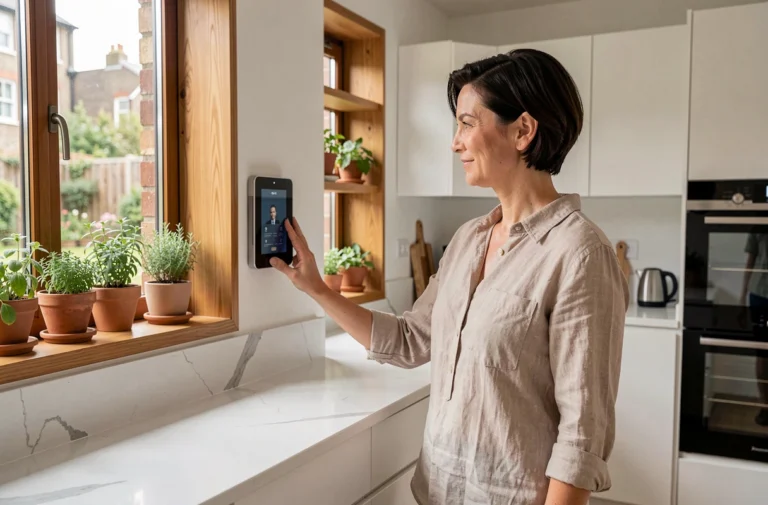
Since the decree of June 27, 2025, exposure to screens is banned before age 3 in young child care settings. Smartphones, tablets, computers, and televisions are included. This text modifies the National Charter for the care of young children by turning a simple recommendation into an obligation for professionals.
This ban has concrete consequences on the daily organization in nurseries and with childminders. Quiet times that were once filled with cartoons must be rethought: cardboard books, manipulation games, music, or free observation take over. Parents looking for resources and ideas for suitable activities for children on Vive Mon Bébé will find useful guidelines to extend this logic at home.
The issue goes beyond simply removing a medium. A screen captures attention without engaging motor skills, oral language, or social interaction. Removing it requires offering alternatives that genuinely mobilize these skills.
Daily determinants of well-being: sleep, meals, free motor skills
A child’s well-being is not measured by the number of activities offered in a day. It relies on the quality of a few fundamental determinants that structure their daily life.
Sleep and individual rhythm
A child who sleeps according to their own rhythm, without being woken up to follow a rigid collective schedule, develops their attention and emotional regulation skills better. Respecting signs of fatigue takes precedence over any activity program. Early childhood professionals are now evaluated on this point within the framework of national quality standards.
Meals as a moment of sensory awakening
Mealtime is a time for exploration in its own right. Textures, colors, smells, autonomy of grasping: allowing a child to touch their food, eat with their fingers, and then gradually with a spoon contributes to their sensory development and self-confidence.
Free motor skills rather than directed motor skills
Free motor skills involve allowing the child to explore the positions and movements they master, without placing them in a posture they have not acquired on their own. Practically, this means not sitting a baby who cannot yet sit by themselves or making them walk by holding their hands.
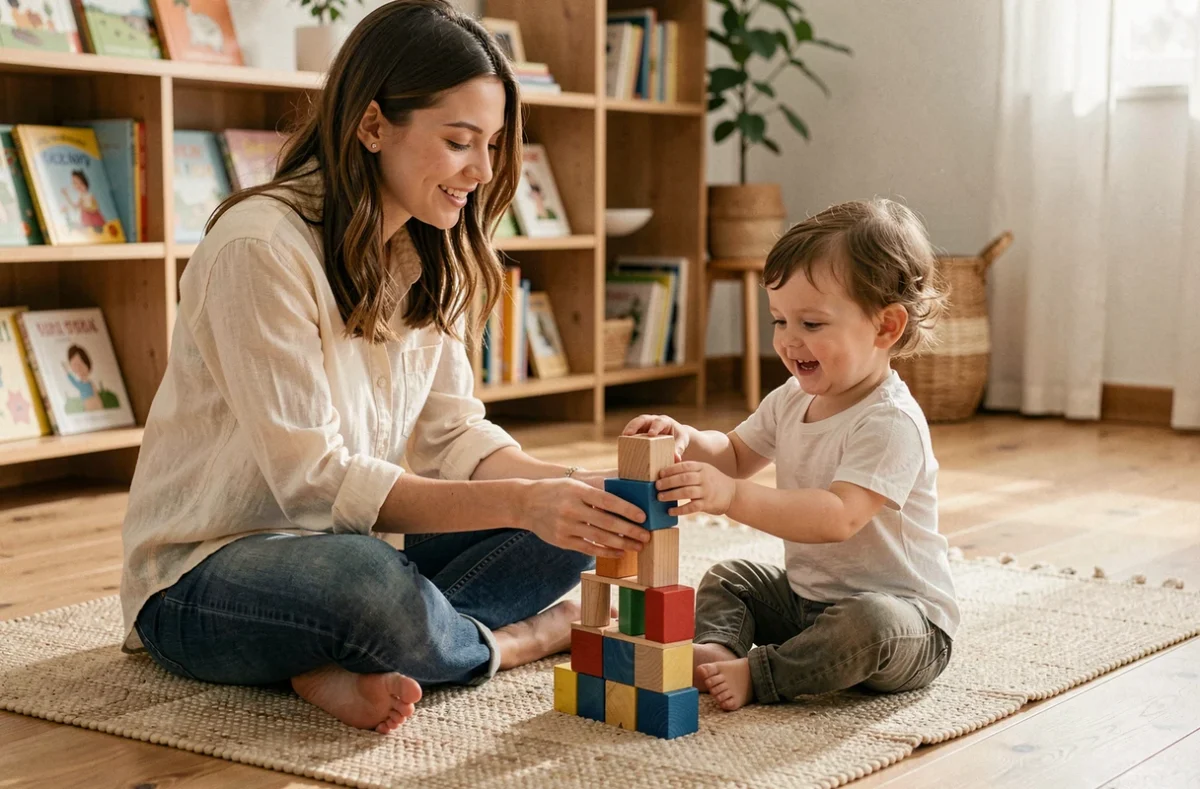
This approach, directly linked to the work of Emmi Pikler, promotes the construction of body awareness and confidence in one’s own abilities. It requires little equipment: a firm mat, a few objects within reach, and above all, an adult who observes without intervening systematically.
Quality of care in nurseries: the regulatory framework since 2025
Since January 1, 2025, young child care facilities must be evaluated every five years based on national standards. Decree No. 2025-304 of April 1, 2025, additionally requires that each nursery’s project includes a section dedicated to quality evaluation and corrective actions.
This framework expands the notion of well-being beyond physical safety. Professional observation, quality of sleep, free motor skills, gradual familiarization, and the relationship with parents are part of the monitored criteria. For families, this means that the nursery is no longer just a place for care, but an environment whose educational quality is measurable.
- The establishment project must describe how sleep, meals, and motor skills are organized daily, with specific indicators.
- Professionals must document their observation practices for each child, not just the collective activities offered.
- The relationship with parents (communication, familiarization, discussions about development) is an integral part of the evaluation.
Awakening activities at home: prioritize depth over quantity
Multiplying workshops brings nothing if each activity lasts three minutes. A child progresses more by repeating a simple activity than by chaining new ones. Transferring water between two containers, stacking and then knocking down a tower of blocks, tearing paper: these repetitive actions build coordination, concentration, and a sense of competence.
Here are some concrete guidelines for choosing a suitable activity:
- The child can do it alone or almost, without the adult needing to guide every action. Autonomy is the engine of confidence.
- The material is simple and without a single instruction: the same object can be used in various ways depending on age and desire.
- The activity allows for failure without consequence: spilling, missing, starting over is part of the learning process.
- The proposed time respects the child’s attention span, which varies from a few minutes for a baby to about twenty minutes for a three-year-old.
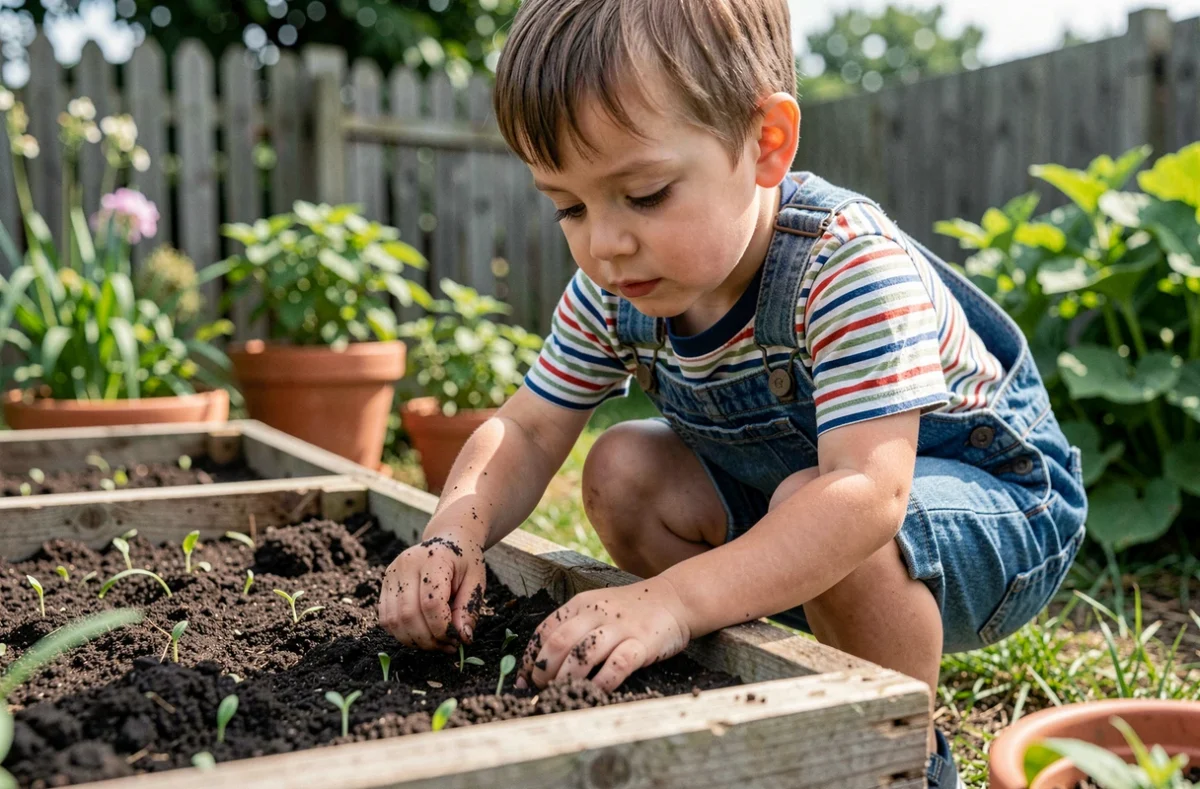
Sensory play (play dough, exploration bins with rice or sand, finger painting) remains among the most effective because it simultaneously engages touch, sight, and sometimes smell, while allowing the child to move freely.
The role of the adult: observe before intervening
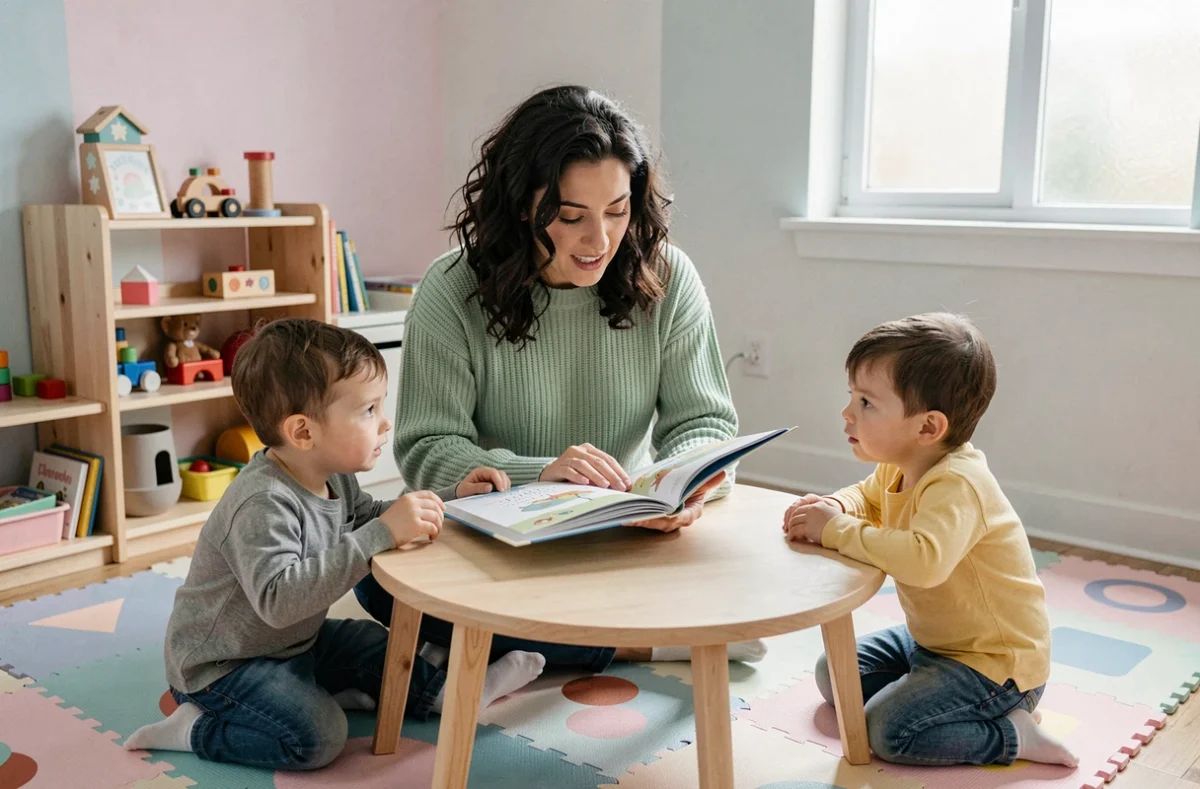
Supporting awakening relies less on what the adult does than on what they refrain from doing. Observing a child at play without correcting, directing, or constantly commenting allows them to develop their own logic of exploration.
The adult intervenes when safety is at stake, when the child expresses frustration they cannot manage alone, or when they explicitly seek help. The rest of the time, their attentive but silent presence is sufficient. This stance requires real learning, as it goes against the reflex to correct or show “how to do it.”
The child’s development is built on this balance between a secure environment, stable daily routines, and the freedom to explore at their own pace. Recent regulatory developments in France confirm this direction: well-being is not decreed by a catalog of activities; it is measured by the quality of each ordinary moment.